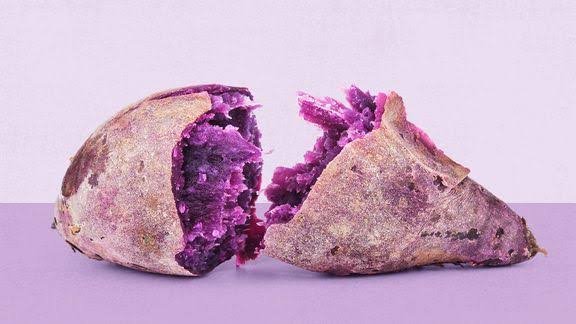
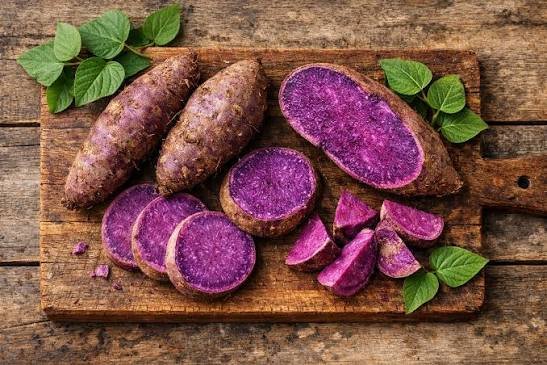
Organic ube is much more than a striking purple ingredient used to color desserts. This traditional Filipino purple yam, known botanically as Dioscorea alata, is a starchy root vegetable with a mildly sweet, slightly nutty flavor and a nutritional profile that fits easily into a varied diet. Depending on how it is prepared, ube can appear at breakfast, in savory meals, in snacks or in homemade desserts without turning every recipe into a sugar-heavy treat.
Its vivid color comes from naturally occurring plant pigments, particularly anthocyanins, while the tuber itself provides carbohydrates, some fiber and several micronutrients. That does not make ube a miracle food, but it does give it a useful place among colorful plant foods. Think of it as another tool in the nutritional toolbox, alongside sweet potatoes, squash, oats, fruit and whole grains. The real value comes from how you prepare it and what you pair it with.
For everyday use, the easiest approach is to choose plain cooked ube, frozen purple yam, unsweetened puree or organic ube powder without large amounts of added sugar. These formats make it easier to control portions and build balanced meals around the yam’s natural flavor. Pairing ube with protein, healthy fats and fiber-rich foods can also make a serving more satisfying while keeping the dish nutritionally balanced.
What makes ube nutritionally interesting?
Ube belongs to the yam family and is primarily a source of carbohydrates. Like other starchy vegetables, it can provide useful energy for daily activities, exercise and recovery. A plain serving of cooked purple yam generally contains far less sugar than many commercial ube desserts, because the sweetness in cakes, ice creams and spreads often comes mostly from added sugar rather than from the tuber itself.
The presence of dietary fiber is another reason to use ube as part of a balanced meal. Fiber supports normal digestive function and can contribute to satiety. The precise nutritional composition depends on the variety, growing conditions and cooking method, so it is more useful to view ube as a nutritious whole food than to focus on one isolated nutrient.
Its purple color is particularly interesting from a plant nutrition perspective. Ube contains anthocyanin pigments, the same broad family of compounds responsible for the deep colors found in foods such as blueberries, red cabbage and purple potatoes. Eating a variety of differently colored plant foods is generally more valuable than relying heavily on a single trendy ingredient.
Ube can therefore complement vegetables, legumes, fruit and whole grains rather than replace them. A bowl based entirely on purple yam may provide plenty of carbohydrates but little protein. Add yogurt, eggs, tofu, nuts, seeds, beans or another protein source, and the meal becomes far more complete.
Simple ways to add ube to breakfast
Breakfast is one of the easiest places to experiment with ube because its mild sweetness works naturally with oats, yogurt, milk, fruit and nut-based ingredients. A spoonful of unsweetened ube puree can transform ordinary oatmeal without requiring a complicated recipe.
Ube oatmeal and breakfast bowls
Cook your usual oats with milk or an unsweetened plant-based drink, then stir in a small portion of ube puree. Cinnamon, vanilla, banana or berries can enhance the flavor without requiring much added sugar. For greater satiety, add Greek yogurt, chia seeds, ground flaxseed or a spoonful of nut butter.
The same principle works with yogurt bowls. Mix plain yogurt with cooked ube or a small quantity of ube powder, then add fresh fruit and seeds. This combination gives you carbohydrates from the yam, protein from the yogurt and additional fiber and fats from the toppings.
Ube smoothies and homemade lattes
Ube also works well in smoothies. Blend cooked purple yam with banana, milk and plain yogurt for a thicker texture. If you are using powder, start with a modest amount because concentrated powders can quickly change both the color and flavor of a drink.
A homemade ube latte can be much lighter than versions sold in cafés. Mix ube puree or powder with warm milk, a little vanilla and, if needed, a small amount of honey or maple syrup. The main nutritional difference comes from controlling the added sweetener. A naturally flavored drink can be very different from a commercial latte made with sweetened ube syrup.
Ube works surprisingly well in savory meals
Ube is often associated with cakes and ice cream, but it is still a yam. That means it can be cooked much like other starchy root vegetables. Boiling, steaming, roasting and mashing are all practical methods, provided the tuber is properly cooked before eating.
Mashed purple yam can replace part of the potato in a traditional mash. Add olive oil, herbs and a source of protein, rather than turning it into a sweet preparation. Its slightly earthy sweetness pairs particularly well with roasted vegetables, poultry, tofu and legumes.
Roasted cubes are another simple option. Once cooked until tender, ube can be added to grain bowls with leafy greens, chickpeas, avocado and seeds. Here, purple yam acts as the carbohydrate component of the meal rather than as a dessert ingredient.
You can also experiment with:
- vegetable soups
- savory mash
- grain bowls
- vegetable curries
- homemade gnocchi
- roasted root vegetables
Using ube this way changes the nutritional context considerably. A savory bowl containing vegetables, protein and purple yam is very different from an ube pastry containing refined flour, butter and large amounts of sugar.
How can you use ube powder?
Organic ube powder is convenient because it keeps longer than fresh yam and can be added in small quantities to many recipes. The important point is to check the ingredient list. Ideally, the product should contain ube with few or no unnecessary additions. Some powders sold for desserts may contain sugar, flavorings or coloring agents.
Powder can be mixed into oatmeal, pancake batter, yogurt, smoothies and homemade drinks. It can also be used in baking. Because brands differ in concentration and moisture content, it is better to start with a small amount and adjust rather than assuming every powder behaves identically.
When using powder in recipes, remember that it is not always a direct replacement for fresh cooked yam. Fresh ube provides moisture and volume, while powder is more concentrated. You may need to adjust the liquid content of pancakes, muffins or breads to achieve the right texture.
For nutrition-focused meals, choose preparations in which the purple yam remains recognizable as a food ingredient rather than relying mainly on highly sweetened syrups. The color may be similar, but the nutritional profile can be completely different.
Healthy desserts can still include ube
There is nothing wrong with enjoying ube in a dessert. Traditional Filipino preparations have cultural significance, and food does not need to be optimized nutritionally at every meal. The useful distinction is between enjoying a sweet occasionally and assuming that every purple dessert automatically carries the nutritional benefits of plain yam.
A homemade dessert gives you more control. Ube can add natural sweetness, moisture and color to muffins, pancakes, chia pudding or yogurt-based desserts. Reducing added sugar gradually often works better than trying to remove it entirely, particularly when texture depends on sugar.
One practical approach is to combine ube with naturally sweet ingredients. Banana, dates, apple puree and vanilla can complement its flavor. Nuts, seeds and yogurt can provide protein and healthy fats, making a snack more filling.
For example, a simple ube pudding can combine purple yam, milk, chia seeds and vanilla. An ube yogurt bowl can contain plain Greek yogurt, puree, berries and almonds. Both options preserve the appealing color while keeping added sugars easier to control.
How much ube should you eat?
There is no universal serving size that everyone needs to follow. Ube is a starchy carbohydrate food, so portion size should reflect your appetite, activity level, overall diet and the other foods in the meal.
A useful approach is to treat cooked ube similarly to potatoes, sweet potatoes, rice or other carbohydrate-rich foods. Rather than eating a very large portion on its own, combine it with vegetables and protein. This produces a more balanced plate and usually improves satiety.
People who closely monitor carbohydrate intake may need to account for ube in the same way they would account for other starchy foods. Preparation matters here too. Plain cooked ube and sweetened ube jam are not nutritionally interchangeable, even if both contain purple yam.
Variety remains important. Eating ube several times a week can fit comfortably into many diets, but there is little nutritional reason to make it your only starch. Rotate it with whole grains, legumes, potatoes, sweet potatoes and other carbohydrate sources to obtain a broader range of nutrients and textures.
Choosing the right form of ube
Fresh ube is useful when available, but frozen, pureed and powdered forms can be much more convenient. The best choice depends on what you want to prepare.
For savory meals, fresh or frozen yam usually gives the most natural texture. For breakfast recipes, smoothies and baking, puree and powder are often easier. When buying processed products, reading the ingredient list helps distinguish plain purple yam from heavily sweetened ube-flavored preparations.
Useful options include:
- fresh ube
- frozen ube
- unsweetened puree
- pure ube powder
- lightly sweetened preparations
Color alone is not a reliable indicator of nutritional quality. A brilliant purple product may contain added coloring, sugar or flavoring. If your goal is to incorporate purple yam into a balanced diet, focus on the ingredient list and the overall composition of the food.
Making ube part of an everyday balanced diet
The easiest way to eat more ube is not to redesign your entire diet around it. Replace an existing carbohydrate source occasionally. Add a little puree to oats, use roasted yam in a lunch bowl, or blend powder into yogurt. Small changes are easier to maintain than elaborate recipes.
Pairing matters as much as portion size. A meal containing ube, vegetables and a protein source will generally be more nutritionally complete than purple yam alone. At breakfast, combine it with yogurt, eggs, seeds or nuts. At lunch or dinner, pair it with fish, poultry, tofu, beans or lentils.
Ube’s strongest advantage may simply be that it makes plant-based meals more interesting. Its dramatic purple color, gentle sweetness and versatile texture can encourage greater variety without requiring unusual cooking skills. Used as a whole food rather than merely as a dessert flavor, purple yam can fit naturally into a balanced eating pattern.