
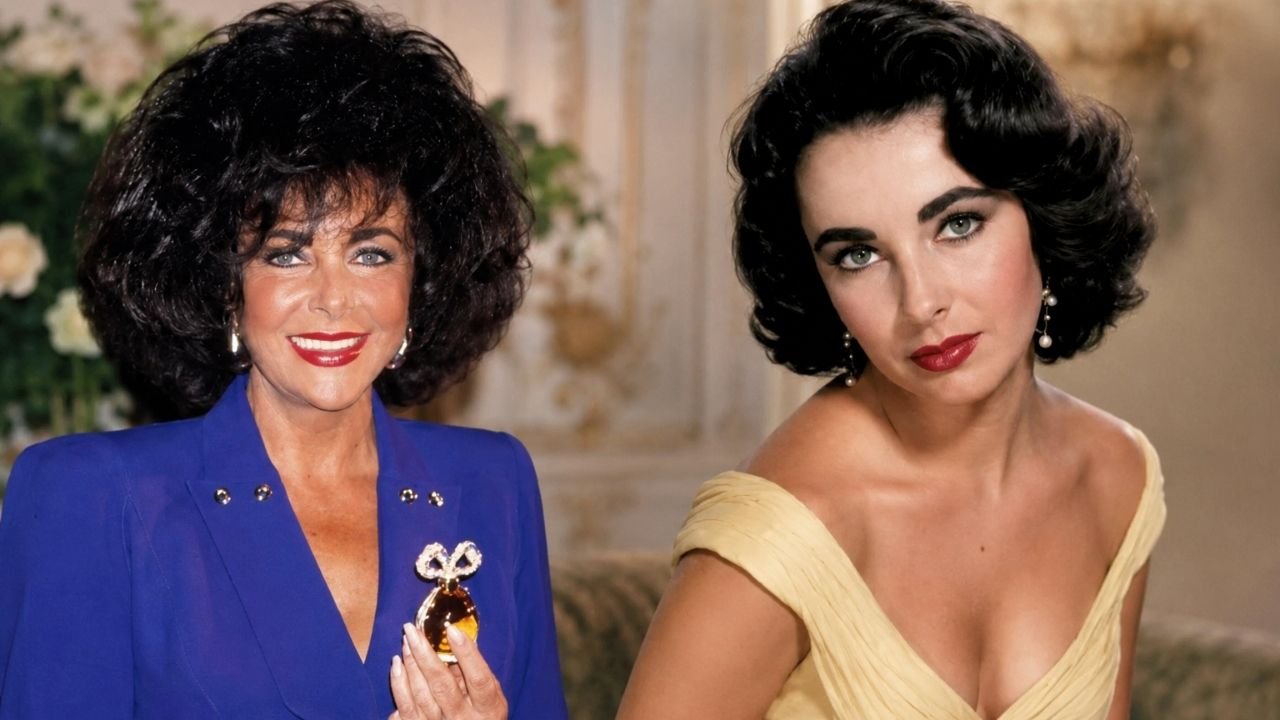
When people search for karen lynch and elizabeth taylor, they may expect to find a direct connection between the two names. In reality, Karen S. Lynch and Elizabeth Taylor belonged to very different generations, professions, and public worlds. Lynch became recognized as a major healthcare executive and business leader, while Taylor became one of Hollywood’s most celebrated actresses before using her international fame to become an influential humanitarian and HIV/AIDS activist.
Their names can nevertheless provide an interesting subject for comparison. Both women built highly visible careers, managed significant public expectations, and developed legacies that extended beyond their original professions. Looking at their lives side by side also shows how influence can take very different forms. One worked primarily through corporate leadership and healthcare organizations; the other used entertainment, entrepreneurship, personal visibility, and advocacy to draw attention to a major public-health crisis.
Quick Bio: Karen Lynch and Elizabeth Taylor
| Detail | Karen S. Lynch | Elizabeth Taylor |
|---|---|---|
| Full name | Karen S. Lynch | Elizabeth Rosemond Taylor |
| Born | December 30, 1963 | February 27, 1932 |
| Main field | Healthcare and business leadership | Film, entrepreneurship and humanitarian advocacy |
| Known for | Leadership at Aetna and CVS Health | Major Hollywood film career and AIDS activism |
| Major organization associated with | CVS Health | The Elizabeth Taylor AIDS Foundation and amfAR |
| Notable achievement | Became president and CEO of CVS Health in 2021 | Won two Academy Awards for Best Actress |
| Legacy | Healthcare leadership and corporate management | Cinema, philanthropy, HIV/AIDS advocacy and cultural influence |
Who Is Karen Lynch?
Karen S. Lynch is an American business executive whose career has been closely associated with healthcare, insurance, and organizational leadership. Her professional path is notable because it developed over several decades rather than through celebrity or entertainment. She built experience in areas such as accounting, insurance, strategy, and healthcare management before reaching the highest levels of corporate leadership.
One of the defining stages of Lynch’s career came through Aetna. She eventually became president of Aetna, making her an important figure in the company’s leadership during a period of substantial change in the American healthcare industry. Her experience in healthcare gave her a perspective that combined financial management with questions about access, services, consumers, and the increasingly complex structure of the healthcare system.
Lynch later became president and chief executive officer of CVS Health in 2021. CVS Health’s own corporate history records that she succeeded Larry Merlo in that position. During her tenure, the company continued developing a broader healthcare model involving pharmacy, insurance, primary care, and other health services.
Her time as CEO ended in October 2024, when David Joyner was appointed president and CEO. CVS Health stated that Lynch stepped down from her position in agreement with the company’s board.
The significance of Karen Lynch’s career is therefore best understood through business and healthcare leadership. Unlike a traditional celebrity figure, her public influence came from managing large organizations and participating in decisions affecting healthcare services and strategy.
Who Was Elizabeth Taylor?
Elizabeth Taylor was one of the most recognizable actresses of the twentieth century. Born in 1932, she began acting as a child and developed into an internationally famous Hollywood star whose career lasted for decades.
Her filmography included major productions such as National Velvet, Giant, Cat on a Hot Tin Roof, BUtterfield 8, Cleopatra, and Who’s Afraid of Virginia Woolf? Her performances earned her five Academy Award nominations and two wins for Best Actress.
Taylor was also much more than an actress. Her official biography describes her as an entrepreneur, businesswoman, advocate, and humanitarian. She negotiated a landmark $1 million contract for her work on Cleopatra and later became associated with a successful fragrance business, demonstrating that her influence extended into commercial ventures as well as entertainment.
Her greatest long-term contribution, however, may have been her humanitarian work. During the HIV/AIDS crisis of the 1980s and 1990s, public discussion was often surrounded by fear, misinformation, and stigma. Taylor used her celebrity status to advocate for people affected by the disease and to raise money and awareness.
She co-founded amfAR and later established The Elizabeth Taylor AIDS Foundation. Her activism became an important part of her identity during the later decades of her life.
Is There a Direct Connection Between Karen Lynch and Elizabeth Taylor?
This is the most important point for anyone researching the phrase karen lynch and elizabeth taylor.
There is no well-established public evidence showing that Karen S. Lynch and Elizabeth Taylor were relatives, business partners, close friends, professional collaborators, or participants in a joint project. They came from substantially different professional backgrounds and belonged to different generations.
Elizabeth Taylor died in 2011, while Karen Lynch’s most prominent corporate leadership period came later. Consequently, it would be misleading to invent a personal or professional relationship simply because the two names appear together in online searches.
A responsible article should distinguish between search interest and documented history. Search engines can bring two names together for many reasons, including comparison articles, trending searches, namesake confusion, or content created around a particular keyword. The appearance of two names on the same page is not evidence that the people themselves had a relationship.
Two Different Forms of Leadership
The most interesting way to compare these women is through the concept of leadership.
Karen Lynch’s leadership was institutional. She worked within large organizations and was responsible for strategic decisions, employees, business performance, healthcare operations, and relationships with consumers and stakeholders. Her career illustrates how professional influence can develop through expertise, management experience, and organizational responsibility.
Elizabeth Taylor’s leadership was public and cultural. She did not run a healthcare corporation, but she possessed something equally powerful in another context: global attention. She was able to use her celebrity to make issues visible to millions of people.
Her HIV/AIDS activism demonstrates this particularly well. At a time when stigma could prevent open conversations about the disease, Taylor spoke publicly, raised funds, testified before policymakers, and supported organizations working on the issue.
These are fundamentally different forms of influence, but both demonstrate how public figures can affect conversations outside their original areas of expertise.
Elizabeth Taylor’s Humanitarian Legacy
Taylor’s activism deserves particular attention because it became one of the defining parts of her later life.
Rather than treating HIV/AIDS as a distant social issue, she became personally involved in fundraising and advocacy. Her friendship with people affected by AIDS and the loss of close friends helped motivate her public work. She became one of the most visible celebrity advocates associated with the epidemic.
The Elizabeth Taylor AIDS Foundation continues to preserve this part of her legacy. Her official biography notes that her activism became a full-time commitment during the 1990s and that she established the foundation in 1991.
Her work also demonstrates why celebrity advocacy can sometimes have an important social effect. A well-known performer can reach audiences that may never encounter a technical public-health report or policy discussion. Taylor’s fame gave her a platform, but her sustained involvement transformed that platform into a vehicle for fundraising and awareness.
Karen Lynch’s Healthcare Legacy
Karen Lynch represents a different side of healthcare influence. Her career was built within the industry itself.
At CVS Health, she was responsible for leading one of the largest healthcare organizations in the United States. The company operates across multiple areas of the healthcare system, including pharmacy services, health benefits, and healthcare delivery. During Lynch’s tenure, CVS Health also completed acquisitions involving Signify Health and Oak Street Health, reflecting a broader strategy around healthcare services and care delivery.
Her career is therefore relevant to discussions about how healthcare organizations evolve. It also provides an example of how women have increasingly reached senior executive positions in industries that have historically been dominated by male leadership.
In 2024, Lynch also became directly involved in overseeing CVS Health’s Health Care Benefits segment following leadership changes, demonstrating the scale of responsibilities attached to her position.
Why These Two Names Make an Interesting Comparison
At first glance, Karen Lynch and Elizabeth Taylor may appear to have almost nothing in common. One was a healthcare executive, and the other was a legendary actress. Yet their stories intersect at the broader idea of influence.
Taylor used fame to advocate for people facing a public-health crisis. Lynch built a career inside the healthcare system and eventually led a major healthcare company.
Taylor’s legacy is connected with cinema, culture, philanthropy, entrepreneurship, and HIV/AIDS advocacy. Lynch’s legacy is connected with corporate leadership, insurance, healthcare strategy, and organizational management.
The comparison therefore works best when it is presented as a study of two different paths to influence, rather than as a claim that the women were directly connected.
What Readers Should Know About the Search Phrase
People researching karen lynch and elizabeth taylor should be careful with articles that imply a hidden family connection or undocumented collaboration without evidence.
A trustworthy article should explain what is known, separate verified facts from speculation, and avoid presenting search-engine associations as historical facts. This is particularly important for biographies because inaccurate claims can quickly be repeated across multiple websites.
The strongest approach is to discuss each woman’s documented career, explain why the names may appear together online, and clearly state when no verified relationship has been established.
That approach also makes the article more useful to readers because it answers the likely question behind the search instead of simply repeating the keyword.
A Broader Lesson From Their Careers
The stories of Karen Lynch and Elizabeth Taylor demonstrate that professional legacy does not have a single definition.
Lynch’s career shows how expertise, management, and sustained professional development can lead to leadership at the highest level of a major healthcare organization. Taylor’s story shows how a person who becomes famous in one field can later use that public platform to address an entirely different social issue.
Neither career needs to be exaggerated for it to be significant. Their documented achievements are already substantial.
Taylor’s two Best Actress Academy Awards, decades-long film career, entrepreneurial activities, and humanitarian work established her as an unusually multidimensional public figure. Lynch’s progression through healthcare leadership and her tenure as CVS Health’s CEO established her as a significant figure in modern corporate healthcare.
Final Thoughts
The phrase karen lynch and elizabeth taylor brings together two women whose lives followed very different paths. Karen S. Lynch became a prominent healthcare executive, while Elizabeth Taylor became an international entertainment icon and later one of the most visible celebrity advocates for HIV/AIDS causes.
There is no established public evidence that they shared a family, personal, or professional relationship, so the most accurate way to discuss them is through comparison rather than an invented connection. Their stories are nevertheless worth examining together because they demonstrate two distinct forms of influence: leadership from within a major industry and advocacy from the global cultural spotlight.
For readers of News Sora, the comparison offers a useful reminder that a person’s legacy can extend far beyond a job title or profession. Elizabeth Taylor used celebrity to bring attention to humanitarian causes, while Karen Lynch’s career demonstrates the impact that experienced leadership can have within the healthcare sector. Examining both stories with accurate sourcing and clear context provides a more valuable experience than relying on unsupported claims created simply to attract searches.