
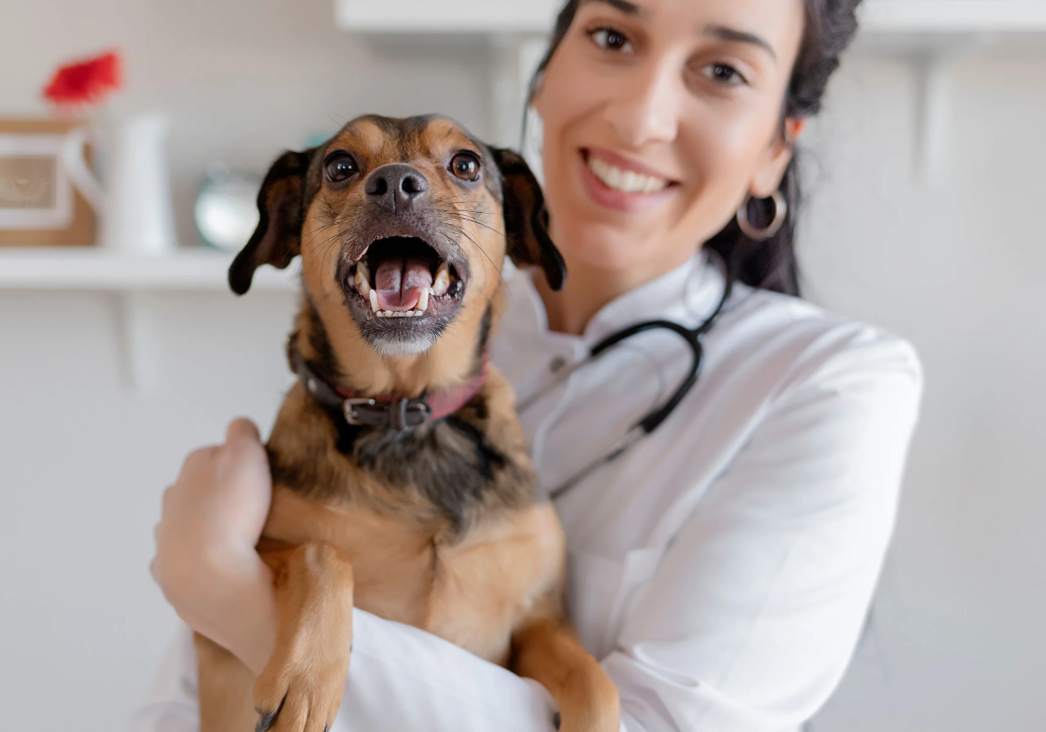
A dog that suddenly becomes less interested in walks. A cat that starts drinking more water than usual. A pet that seems perfectly healthy but has been slowly losing weight. These changes may appear insignificant at first, yet they can sometimes be the earliest signs of an underlying health problem.
One of the greatest challenges in veterinary medicine is that animals cannot explain how they feel. Fortunately, advances in diagnostic technology are helping veterinarians identify diseases that might otherwise go unnoticed. From laboratory testing to advanced imaging and cardiac examinations, modern veterinary medicine offers increasingly sophisticated ways to assess animal health, often before serious symptoms develop.
Why Some Health Problems Are Difficult to Recognise
Dogs and cats do not always show obvious signs when something is wrong. Many health conditions develop gradually, and the changes they cause can be subtle enough to escape an owner’s attention.
For example, a cat with early kidney disease may initially behave normally, while a dog with a developing heart condition might show little more than reduced enthusiasm for exercise. Even gradual weight loss can be difficult to notice when owners see their pets every day.
Some animals also instinctively conceal signs of weakness or discomfort. This can make identifying illness particularly challenging, especially in the early stages.
Veterinarians therefore look beyond visible symptoms. They consider changes in behaviour, medical history, physical examination findings and diagnostic results to build a more complete picture of an animal’s health.
This is one reason regular veterinary appointments matter even when a pet appears healthy. They provide an opportunity to detect changes before they become more serious.
Blood Tests and Laboratory Diagnostics: Looking Beneath the Surface
Laboratory testing is one of the most useful tools in modern veterinary medicine. Blood and urine samples can reveal information about internal processes that cannot be assessed through a physical examination alone.
A complete blood count, for example, provides information about red and white blood cells and platelets. It can help identify abnormalities associated with conditions such as anaemia, inflammation or certain infections.
Blood chemistry tests allow veterinarians to assess indicators related to kidney and liver function, blood glucose and electrolyte balance.
Urinalysis provides additional information, particularly when investigating urinary tract disorders, kidney disease or diabetes.
These tests can be especially valuable for older animals, which are more likely to develop chronic health conditions. According to the American Animal Hospital Association (AAHA), routine laboratory monitoring is an important part of preventive healthcare for senior dogs and cats.
However, individual test results must always be interpreted in context. An abnormal value does not necessarily confirm a particular disease, just as a result within the reference range cannot rule out every possible health problem.
The real benefit comes from combining laboratory findings with clinical observations and, when necessary, further diagnostic examinations.
Diagnostic Imaging: Seeing What Physical Examinations Cannot Reveal
While blood tests provide information about how the body is functioning, diagnostic imaging allows veterinarians to examine internal structures.
Modern veterinary clinics use several imaging techniques, each suited to different clinical situations.
Radiography (X-rays) is commonly used to examine bones, joints and the chest. It can help identify fractures, certain skeletal abnormalities and changes affecting the lungs or heart silhouette.
Ultrasonography uses sound waves to produce images of internal organs and soft tissues. It is particularly useful when examining the liver, kidneys, bladder and other abdominal structures. Ultrasound can also help veterinarians investigate masses, fluid accumulation and changes in organ appearance.
Computed tomography (CT) provides detailed cross-sectional images and may be recommended when conventional imaging does not provide sufficient information. It can be especially helpful in selected neurological, orthopaedic and complex surgical cases.
These examinations are not necessarily performed during every routine appointment. Instead, veterinarians select the most appropriate diagnostic method based on the animal’s symptoms, examination findings and individual risk factors.
The aim is to obtain the information needed to make an accurate diagnosis while avoiding unnecessary procedures.
Echocardiography: Detecting Heart Problems Before They Become Severe
Heart disease can be particularly difficult to recognise in its early stages. Some animals develop structural changes in the heart before showing obvious symptoms such as coughing, breathing difficulties or reduced exercise tolerance.
Echocardiography, commonly known as a cardiac ultrasound or heart echo, allows veterinarians to examine the heart in real time.
During the examination, ultrasound waves create moving images of the heart’s chambers, walls and valves. The veterinarian can assess cardiac structure and function, while Doppler imaging provides information about blood flow.
This technique is especially valuable when investigating heart murmurs, suspected cardiomyopathy, congenital heart defects or other cardiovascular abnormalities.
For cats, echocardiography is considered the preferred diagnostic method for identifying and assessing cardiomyopathies.
Why Proper Patient Positioning Matters During Cardiac Examinations
Accurate echocardiography depends not only on the ultrasound system and the clinician’s expertise but also on obtaining suitable views of the heart.
During the procedure, an animal may need to remain in a carefully supported position while the veterinarian places the ultrasound probe against specific areas of the chest.
A purpose-designed veterinary echo mattress can support this process by helping maintain stable patient positioning while allowing access to the examination area.
The VetSupreme cardiac examination mattress, for example, features a profiled design that supports the animal during echocardiographic procedures. Its high-density foam helps maintain a stable surface, while the foldable construction and easy-to-clean materials make it practical for everyday clinical use.
Patient comfort is equally important. Gentle handling, appropriate positioning and a calm environment can help reduce unnecessary movement and stress during examination.
Of course, a positioning mattress does not perform the diagnostic assessment itself. Its role is to support the veterinary team while trained professionals obtain and interpret ultrasound images.
The Importance of Small Details in Veterinary Diagnostics
When discussing modern veterinary medicine, attention often focuses on expensive equipment such as ultrasound scanners, digital X-ray systems and laboratory analysers.
Yet effective clinical care also depends on many smaller pieces of equipment that make examinations and procedures easier to carry out.
Appropriate positioning supports, protective materials and handling aids can help veterinary professionals maintain patient stability, organise procedures and work more comfortably.
Even straightforward tasks, such as securing an endotracheal tube during anaesthesia or safely handling a nervous animal, benefit from equipment designed for veterinary practice.
This is where specialised veterinary accessories play a practical role. The VetSupreme range includes products such as anaesthesia tube ties and handling accessories intended to support veterinary professionals during everyday clinical procedures.
Materials that are resistant to cleaning and disinfection are also important in a clinical environment, where hygiene and equipment maintenance form part of routine patient care.
Although these products may not attract the same attention as advanced diagnostic machines, they contribute to an organised clinical workflow and help staff carry out their responsibilities efficiently.
What Can Pet Owners Do to Support Early Diagnosis?
Even the most advanced diagnostic equipment cannot replace the observations made by someone who knows an animal well.
Pet owners play an essential role in recognising changes in everyday behaviour and communicating them to their veterinarian.
It is worth paying attention to several warning signs:
- Changes in appetite, drinking habits or body weight.
- Reduced activity, reluctance to exercise or difficulty moving.
- Persistent coughing, unusual breathing or reduced exercise tolerance.
- Changes in urination or bowel movements.
- Unexplained lumps, swelling or persistent discomfort.
- Noticeable changes in behaviour, sleep patterns or interaction with family members.
These symptoms do not automatically indicate a serious illness, but they should not be ignored.
Keeping track of changes, noting when they began and sharing this information during veterinary appointments can help clinicians decide which examinations are appropriate.
Severe breathing difficulties, collapse or sudden paralysis require immediate veterinary attention rather than waiting for a routine appointment.
Better Diagnostics, More Informed Decisions
Modern veterinary medicine has made it possible to investigate health problems with a level of detail that was once difficult to achieve in everyday clinical practice.
Laboratory tests can reveal changes in organ function, imaging techniques provide valuable information about internal structures, and echocardiography allows detailed assessment of the heart.
Equally important are the experience of veterinary professionals, careful patient handling and appropriate equipment that supports diagnostic procedures.
No single test can identify every possible disease, and not every pet needs advanced imaging. The greatest value comes from selecting the right investigations for each animal and interpreting the results as part of a broader clinical assessment.
For pet owners, the message is straightforward: a healthy appearance does not always tell the whole story. Regular veterinary care, attention to subtle changes and timely diagnostic testing can help uncover hidden problems and give animals a better chance of enjoying a comfortable, healthy life.