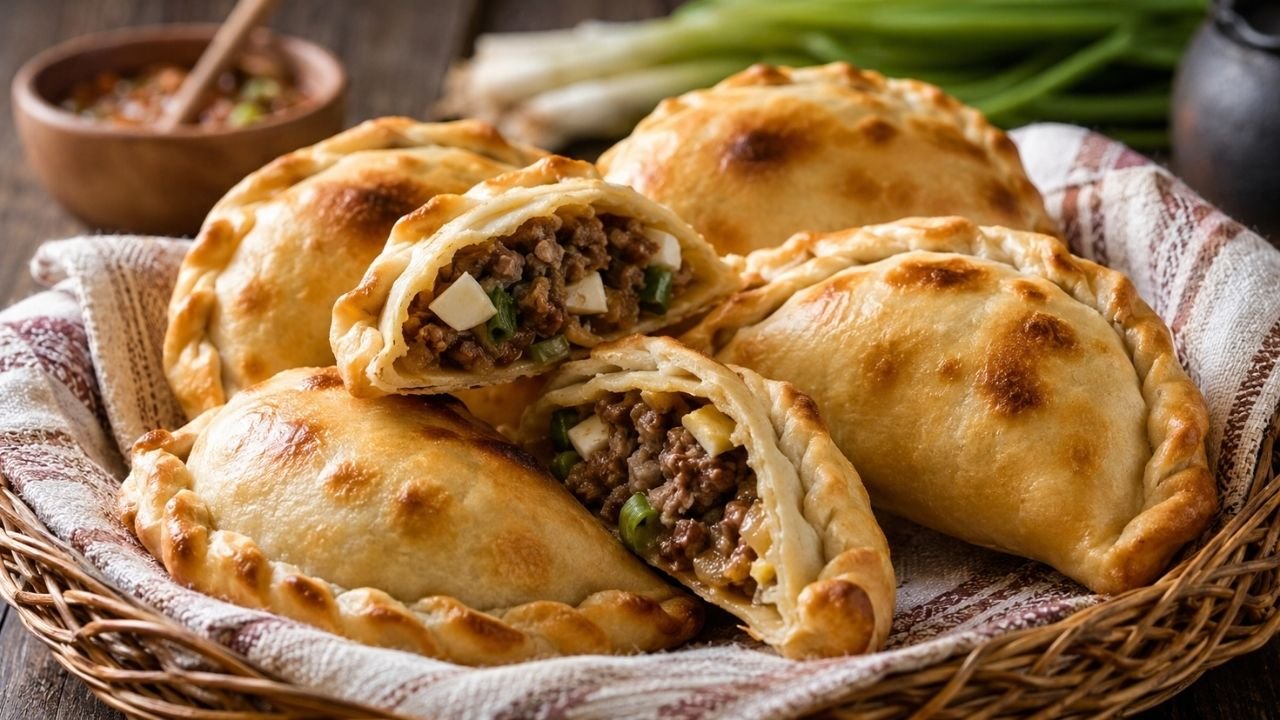
If you are searching for the best empanada tucumana near me, you are probably looking for more than an ordinary meat-filled pastry. A genuine Tucuman-style empanada represents one of the most recognizable food traditions of Tucumán, Argentina, combining a thin pastry shell with a juicy filling, chopped beef, onion, green onion, hard-boiled egg and carefully balanced seasoning. For people discovering this specialty outside Argentina, knowing what makes the traditional version different can make it much easier to identify a worthwhile place to try.
The empanada has a particularly strong connection with Tucumán’s culinary identity. Argentina’s official tourism information describes the Tucuman version as especially juicy and traditionally associated with chopped matambre, onion, hard-boiled egg and green onion, while clay-oven cooking is considered a preferred traditional method.
Quick Fact Table: Empanada Tucumana
| Feature | Quick Details |
|---|---|
| Food | Empanada Tucumana |
| Country | Argentina |
| Region | Tucumán |
| Main traditional filling | Beef, especially matambre |
| Other classic ingredients | Onion, green onion, hard-boiled egg |
| Seasoning | Salt, cumin, paprika and sometimes chili |
| Traditional shape | Half-moon pastry with a repulgue |
| Famous characteristic | Traditionally associated with 13 folds in the repulgue |
| Traditional cooking | Clay oven, although other methods are used |
| Cultural importance | Declared Intangible Cultural Heritage of Tucumán |
| Famous event | National Empanada Festival in Famaillá |
What Is an Empanada Tucumana?
An empanada tucumana is a regional Argentine empanada originating from Tucumán in northern Argentina. Although empanadas are found throughout the country, each region has developed its own approach to dough, filling, seasoning and cooking.
The Tucuman style is particularly known for its juicy beef filling. Rather than relying on heavily processed or finely minced meat, the traditional preparation uses beef cut into small pieces, historically with matambre playing an important role. Onion, green onion and hard-boiled egg are also central components. Official Tucumán tourism material describes the traditional filling with matambre cut by knife, white onion, green onion and hard-boiled egg, seasoned with paprika and cumin.
This combination creates a filling that is savory, aromatic and moist without being dominated by one ingredient. The pastry should support the filling rather than overpower it.
Why Tucuman-Style Empanadas Are So Special
The appeal of this food comes from its balance. The beef provides richness, onion contributes sweetness and depth, green onion adds freshness, while egg gives the filling a distinctive texture. Cumin and paprika provide warmth without necessarily making the empanada intensely spicy.
Another important feature is the pastry itself. A well-prepared empanada should be sturdy enough to contain the juicy filling but not so thick that the dough becomes the main attraction. The traditional repulgue—the decorative folded edge used to seal the pastry—is also part of its identity.
The famous reference to 13 repulgues is closely associated with Tucuman tradition. Argentina’s official tourism information notes the 13-fold characteristic, while Tucumán’s own tourism material also describes the traditional preparation using 13 folds.
A Food With Cultural Importance
This is not simply another regional snack. Tucuman empanadas have been formally recognized as part of the province’s cultural heritage.
The Empanada Tucumana was declared Intangible Cultural Heritage of Tucumán on October 9, 2013, under Provincial Law No. 7500. The provincial cultural authorities describe the preparation as a deeply rooted practice connected with Tucuman identity, territory and gastronomic traditions.
The dish is also strongly connected with Famaillá, a city in Tucumán associated with the National Empanada Festival. Argentina’s tourism information identifies the annual celebration as an important part of the region’s food culture.
That cultural background matters when searching for an authentic version. A restaurant may advertise an empanada as “Tucumana,” but the label alone does not tell you whether the preparation follows the traditional profile.
What to Look For When Searching “Best Empanada Tucumana Near Me”
When comparing restaurants, bakeries, food stalls or Argentine kitchens, look beyond star ratings and promotional descriptions. The strongest clues are usually found in the ingredients and preparation.
1. Check the Beef Filling
Traditional Tucuman-style empanadas are associated with beef, particularly matambre. The meat should have a recognizable texture rather than becoming an indistinguishable paste.
A good filling should also be moist. One of the defining characteristics of this regional style is its juiciness, so a completely dry filling may indicate that the preparation has moved significantly away from the traditional profile.
2. Look for Onion and Green Onion
Onion is not merely a garnish. It is part of the foundation of the filling. Green onion is another characteristic ingredient and helps provide a fresher contrast to the beef.
When a menu description includes beef, onion, green onion and egg, it is a useful indication that the restaurant understands the traditional ingredient combination.
3. Check for Hard-Boiled Egg
Hard-boiled egg is another classic component. It contributes richness and texture and helps distinguish the traditional Tucuman preparation from many generic beef empanadas.
Not every modern restaurant follows the same recipe, so variations exist. However, if authenticity is your priority, egg is one of the ingredients worth checking for.
4. Consider the Cooking Method
The traditional preparation is strongly associated with a clay or mud oven. Tucumán tourism information gives clay-oven cooking as the preferred traditional method, although conventional ovens and frying are also used.
This does not mean an empanada cooked in a conventional oven is automatically inferior. A skilled kitchen can produce an excellent result using modern equipment. The cooking method is simply one useful clue when judging how closely a restaurant follows the traditional approach.
5. Pay Attention to the Dough
The best empanada is not necessarily the one with the thickest or crispiest crust. For this style, the dough should work with the juicy filling.
Look for a pastry that is properly sealed, cooked evenly and strong enough to hold the filling without becoming excessively heavy.
Best Places to Find Tucuman-Style Empanadas
The phrase “best empanada tucumana near me” can refer to several types of food businesses. Argentine restaurants are an obvious starting point, but they are not the only possibility.
Specialty Latin American restaurants may offer regional Argentine dishes alongside their regular menu. Argentine bakeries can also be worth checking, particularly those that prepare empanadas fresh throughout the day.
In some cities, independent home-based cooks and Argentine food businesses may specialize in regional recipes. Local food markets and cultural festivals can also provide opportunities to discover authentic preparations.
If you are outside Argentina, however, availability can vary considerably. It is better to verify the actual menu and ingredients than to assume that every restaurant advertising “Argentine empanadas” prepares the Tucuman style.
Tucumán’s Reputation for Empanadas
Tucumán has built a strong reputation around its empanada tradition. In a national survey reported by Casa de Tucumán in 2025, the Tucuman empanada was selected as the most prominent version among respondents, with its flavor, texture, knife-cut meat and characteristic preparation highlighted among the qualities appreciated by voters.
Tucumán tourism has continued to promote the empanada as a culinary symbol. A 2026 tourism article described it as a dish closely connected with local identity and noted the role of the National Empanada Festival in Famaillá.
These recognitions do not mean that one particular restaurant is universally the “best.” Taste is subjective, recipes differ and the quality of individual kitchens changes over time. They do, however, demonstrate why Tucuman-style empanadas have become an important part of Argentina’s culinary landscape.
Empanada Tucumana vs. Other Argentine Empanadas
One reason people search for the Tucuman variety is that Argentine empanadas differ significantly from province to province.
Tucuman empanadas are known for their juicy beef filling, matambre, onion, green onion and egg. Salteña empanadas have their own distinctive preparation and are generally associated with a smaller format and different filling balance. Other regions incorporate their own ingredients, cooking methods and seasoning traditions.
Argentina’s national tourism information emphasizes that regional identity is one of the defining characteristics of Argentine empanadas. Different provinces have developed recognizable styles rather than following one universal recipe.
For that reason, ordering a Tucuman empanada is worthwhile if you want to explore Argentine regional cuisine rather than simply find another generic meat pastry.
What Should a Good Tucuman Empanada Taste Like?
A well-made version should offer several layers of flavor. The first impression should be savory and meaty, followed by the sweetness of cooked onion and the freshness of green onion. Egg adds a softer, richer texture, while cumin and paprika provide gentle aromatic depth.
The filling should be juicy without making the pastry soggy. The crust should be cooked through and structurally sound. The overall result should feel balanced rather than excessively salty, greasy or spicy.
A particularly useful test is whether the empanada still tastes good after the initial heat disappears. Traditional food should have enough depth that its flavor does not depend solely on being served piping hot.
Why the Search “Best Empanada Tucumana Near Me” Matters
The word “best” in a local food search rarely means one objectively perfect restaurant. Usually, the searcher wants a combination of authenticity, freshness, flavor, convenience, value and good customer experience.
That means the right choice can depend on personal priorities. Someone may prefer a clay-oven version with a traditional filling, while another person may prioritize a restaurant that offers delivery. Someone else may be searching specifically for beef empanadas made with knife-cut meat.
Rather than relying on one ranking or generic list, compare the menu description, ingredients, cooking style, freshness and customer feedback. This approach is more useful and can help readers make an informed decision in their own area.
A Practical Checklist Before Ordering
Before choosing a restaurant, ask a few simple questions:
- Is the empanada specifically described as Tucuman or Tucumana?
- Does the filling contain beef or matambre?
- Are onion and green onion included?
- Does it contain hard-boiled egg?
- Is cumin or paprika used?
- Is the pastry baked, clay-oven cooked or fried?
- Are the empanadas prepared fresh?
- Does the restaurant explain its regional recipe?
- Are recent customer reviews consistent about quality?
- Does the menu clearly distinguish Tucuman empanadas from other Argentine varieties?
This checklist can help separate an authentic regional offering from a generic empanada that simply uses the word “Tucumana” in its description.
Final Thoughts
Finding the best empanada tucumana near me is ultimately about understanding what you are looking for. Authenticity begins with the traditional combination of juicy beef, onion, green onion and hard-boiled egg, supported by a properly prepared pastry and characteristic seasoning. The famous 13-fold repulgue and clay-oven tradition add further cultural context to a dish that has become an important symbol of Tucumán.
For readers exploring Argentine cuisine, Tucuman empanadas offer an excellent introduction to the country’s regional food culture. They are more than convenient street food: they represent recipes, techniques and traditions passed between generations. At News Sora, our goal is to provide useful food and search guides that help readers understand what they are looking for before making a dining decision.